
Feedback Company

Rated 9.1/10 on Feedback Company

(15+ reviews)

9.1/10

(15+ reviews)

Menu

Server buyout

Destruction of hard drives

Safely removing data storage media from circulation

A formatted hard drive is not empty. In many cases, files can still be recovered using readily available software after a quick format, and in a RAID configuration, erasing just one drive is not enough anyway.

Reuzado destroys hard drives and SSDs for businesses and organisations. Depending on the condition of the data storage device and the security requirements, we either overwrite it using certified software or physically destroy it. In both cases, you will receive a certificate bearing a serial number.

We buy back data storage devices that still have market value and can be securely erased. This reduces your costs and extends the lifespan of the hardware.
This is how we work

1. Stock-taking

Please specify the quantity, type and security requirements. In the case of sensitive data, we will determine in advance whether it is to be overwritten or shredded.

2. Collection or on-site destruction

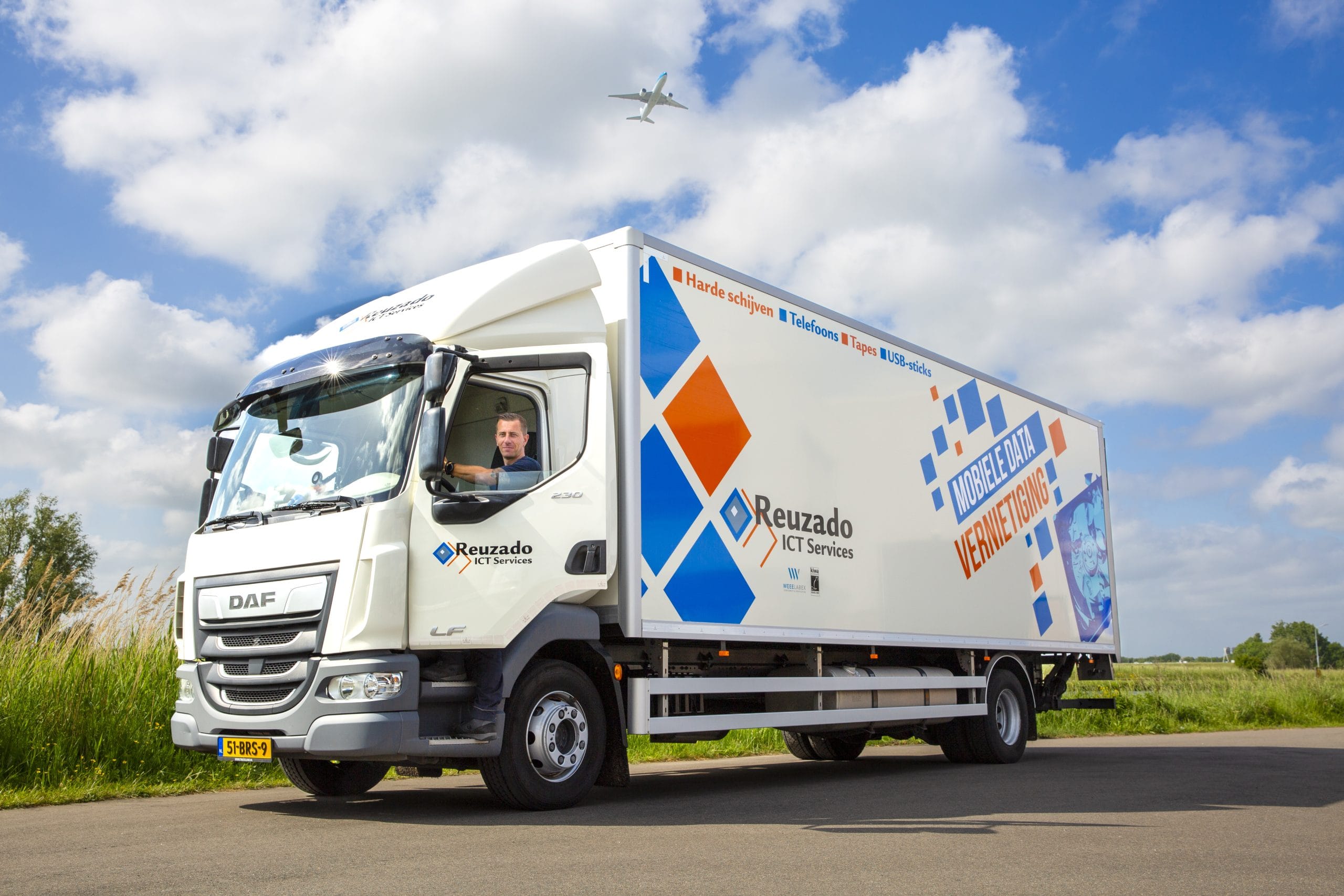
We collect the data storage media in sealed containers. On request, we can destroy them on your premises, so that no data storage media leaves your premises.

3. Registration by serial number

Each data carrier is registered individually. This means that it is possible to trace which carrier is where at any given time.

4. Delete or shred

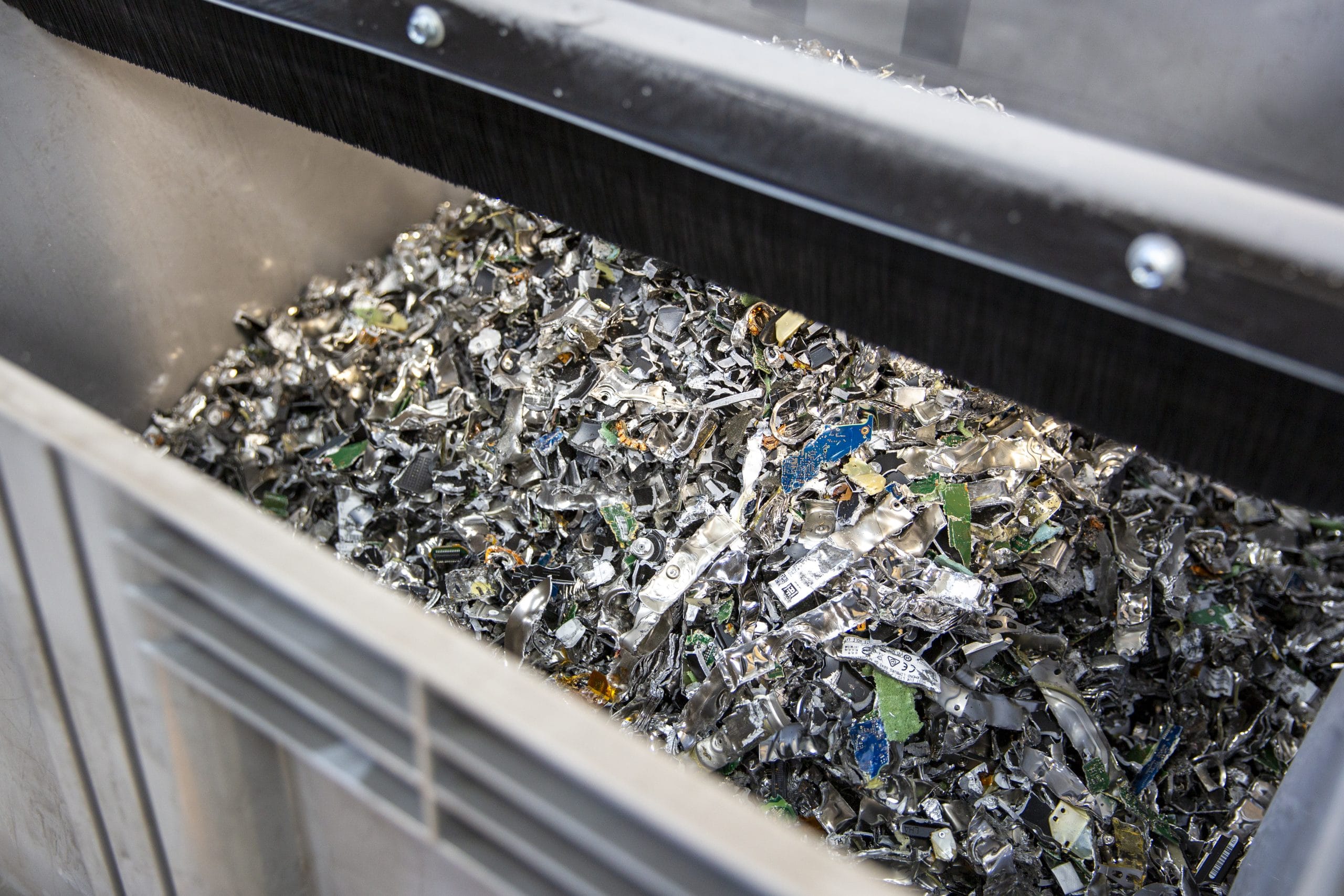
Overwrite the data using certified software, or physically shred it to a particle size that prevents recovery.

5. Certificate and report

For each data carrier, you will receive a certificate and a summary report setting out the method and date, which can be used for audit and regulatory purposes.

Which data storage media do we destroy?

  • Hard drives from PCs, laptops and servers (SATA, SAS, NVMe)
  • SSDs and M.2 modules, where simply overwriting the data is not enough
  • RAID configurations comprising servers and storage systems
  • Tapes and replacement cassettes from backup systems
  • USB sticks, memory cards and external hard drives
  • Data storage media from multifunction printers and network equipment

SSDs deserve special attention. Due to wear levelling, the controller internally remaps data, meaning that standard overwriting does not guarantee that every block is affected. Where high security requirements apply, we recommend physical destruction.

Are we talking about the devices themselves, and not just the data storage media? If so, take a look at data destruction and Buying IT hardware.

Why this warrants a separate decision

The destruction of data storage media is the point at which the disposal of hardware is either carried out properly or becomes a risk. A single piece of data storage media that is overlooked could trigger a duty to report under Article 33 of the GDPR, with all that this entails.

The difference between “we have deleted it” and “we can prove that it has been deleted” is exactly what an auditor or the Data Protection Authority wants to see. That is why we consistently work at serial number level and document every step.

The fact that some of the data storage media still yield results is a bonus, but it is not the reason for this level of care.

on-site data destruction

Delete or shred?

Overwriting data using certified software is the most sustainable approach: the storage medium remains usable and retains its residual value. This applies to conventional hard drives in good condition.

We opt for physical destruction in the case of faulty storage media, for SSDs with high security requirements, and whenever you so decide. We advise you on this in advance, so that the choice is based on your own risk assessment rather than ours.

On-site destruction

If no data storage media are permitted to leave your premises, we will destroy them on site. You or your data protection officer may be present during this process and sign off on it. The certificate will be issued immediately on site.

Frequently asked questions about hard drive destruction

Isn’t formatting enough?

No. A quick format only deletes the reference to the data, not the data itself. Files can often still be recovered afterwards using freely available tools.

What is the difference between deleting and shredding?

Why are SSDs a special case?

Will I receive one certificate per data carrier?

Can you carry out the destruction at our premises?

Do you run out of hard drives as well?

How soon can you collect it?

Would you like to know which products are best suited for your business?

Get in touch with our advisors. You can reach them via info@reuzado.nl or via +31 (0)23 551 98 21. Or submit the contact form.